

Recycling Process
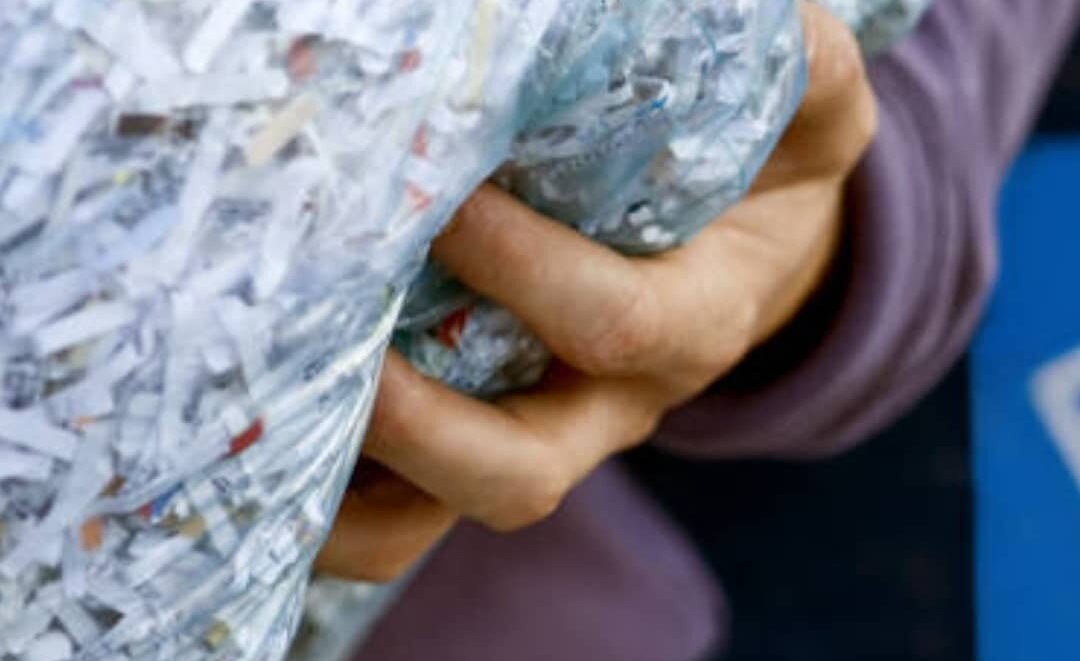
The first step in the paper recycling process is to sort the paper, so that contaminates such as plastic, metal, and garbage are removed. The paper is then shredded, mixed with water and chemicals, and pulped to form a mixture of water and cellulose fibers.
A variety of additive materials are introduced to the papermaking pulps during the initial pulping process. Some additives are sizing (this imparts a degree of water resistance), wet strength agents (for hand towels), and defoamers (to counteract the foaming that coated papers cause in pulpers) are typically introduced. The chemical aspects of paper fibers are all-important in determining the sheet properties (absorbency, strength, brightness, printability). The tendency of cellulose fibers to bond together, when dried from a water suspension is basic to papermaking technology.
The continuous paper machine (generally a Fourdrinier machine or a cylinder machine) converts a very dilute suspension of paper fibers and other ingredients into a dry sheet of paper at speeds that may be as high as a half mile per minute.
The most common method of turning recycled paper into a new sheet of paper is by the use of the Fourdrinier machine. It consists of a continuously moving wire belt or screen, to which the dilute papermaking slurry is fed and from which the wet, formed sheet is removed continuously. The slurry issues through the sluice onto the wire, as a jet of uniform and proper thickness, speed, and consistency.
The wet sheet at about 20% consistency (80% is water) is removed from the wire and transferred to a supporting woolen felt, which carries it through a series of press rolls. Here more water is removed mechanically and the sheet progresses to the drier section at about 33% consistency. The remaining water is removed by evaporation.
The reuse of waste papers is common, particularly for the lower grades of paper product. Most office papers are recycled in the form of tissue product - hand towels and bathroom tissue. Over 50% of the tissue produced worldwide is made from recycled paper.
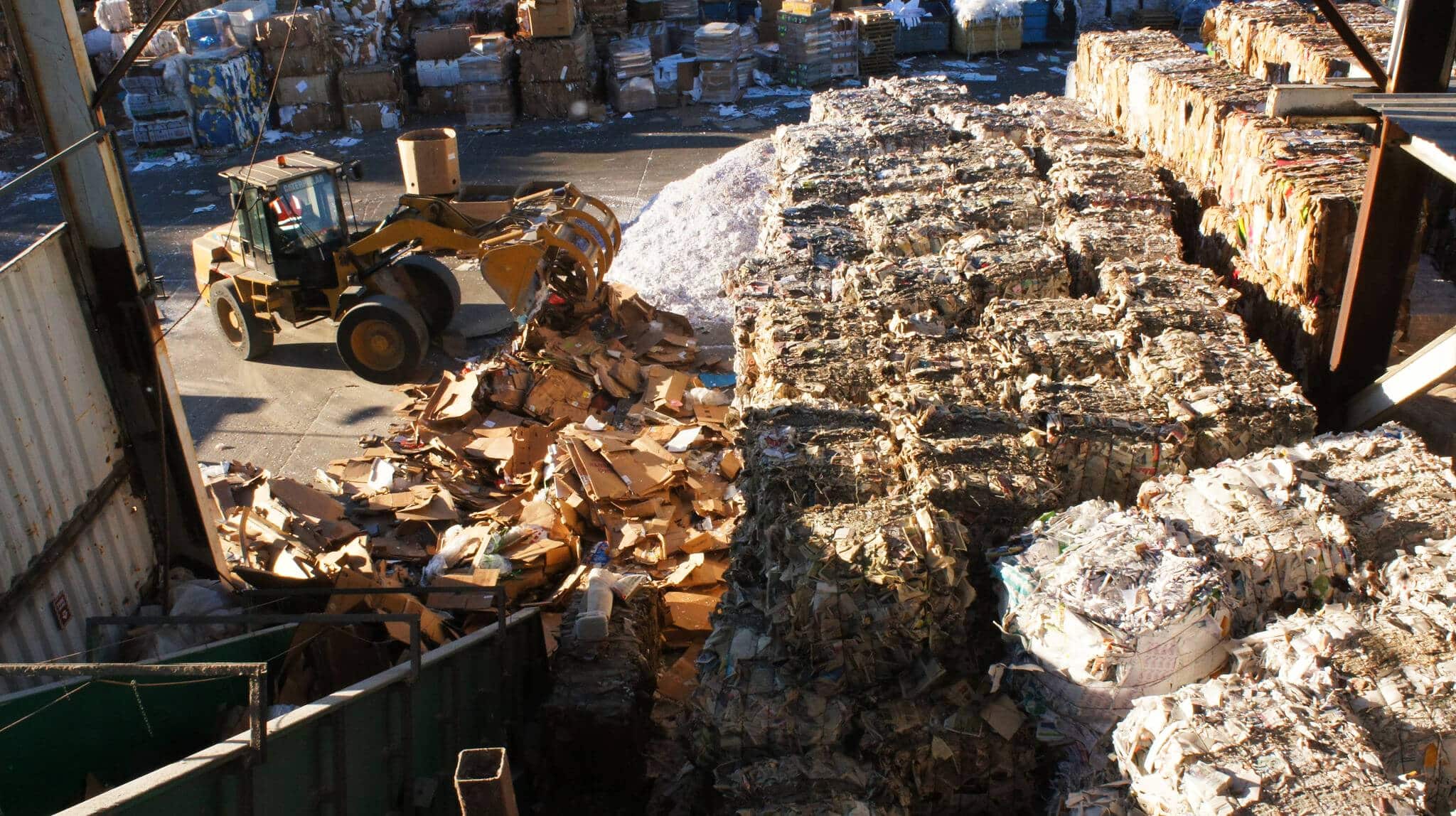
The largest supply of recycled paper is old cardboard containers (OCC), roughly 49% of all paper recovered. This grade is generally used in the manufacture of new cardboard cartons, boxboard (cereal boxes, etc), and gypsum board (the white side of sheetrock).
Over the last 32 years, The Sutta Company and its affiliated companies have made significant contributions to the recycling industry through innovative mechanical applications at paper mills, funding research on large volume, difficult to recycle materials, and educating various lobbying groups as to the implications of different types of legislation.